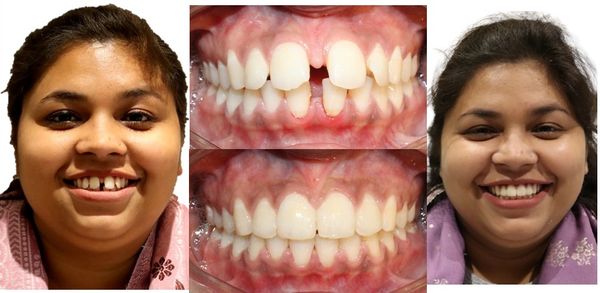
Spacing Correction Using Braces: Close the Gaps, Transform Your Smile
A confident smile can make a lasting impression. However, gaps between teeth can sometimes affect both appearance and oral health. The good news is that modern orthodontic treatment offers highly effective solutions, and braces remain one of the most reliable ways to correct spacing problems and create a beautifully aligned smile.
Why Should Spacing Be Corrected?
Many people seek treatment for cosmetic reasons, but correcting spacing has functional and oral health benefits too.
Improved Smile Aesthetics
Closing gaps creates a more symmetrical and confident smile.
Better Oral Hygiene
Large spaces may trap food particles and increase plaque accumulation, leading to cavities or gum problems.
Proper Bite Alignment
Spacing can sometimes affect the way upper and lower teeth fit together, leading to bite issues.
Enhanced Speech
Certain spacing problems may contribute to speech difficulties or lisping.
Prevention of Future Dental Problems
Untreated spacing may lead to tooth drifting, gum issues, or uneven wear of teeth.
How Do Braces Correct Spacing?
Braces work by applying gentle and continuous pressure to gradually move teeth into their ideal positions. Orthodontic brackets and wires help close gaps in a controlled and precise manner.
During treatment:
- Teeth are carefully guided closer together
- Bite alignment is corrected
- Smile symmetry is improved
- Spaces are evenly distributed and closed
Orthodontists customize the treatment plan based on the severity of spacing and the patient’s facial profile and bite.
Types of Braces for Spacing Correction
Metal Braces
Traditional metal braces are highly effective for correcting mild to severe spacing issues. Modern braces are smaller, more comfortable, and more aesthetic than before.
Ceramic Braces
Ceramic braces work similarly to metal braces but blend more naturally with the teeth due to tooth-colored brackets.
Self-Ligating Braces
These advanced braces use specialized clips instead of elastic ties, helping reduce friction and improving comfort during treatment.
Clear Aligners
In selected spacing cases, clear aligners can also help close gaps discreetly. However, braces may be preferred for more complex spacing corrections.
How Long Does Spacing Correction Take?
Treatment duration depends on:
- Severity of spacing
- Age of the patient
- Type of braces used
- Overall bite condition
- Patient cooperation
Most spacing correction cases may take anywhere between 6 months to 24 months.
Does Spacing Correction Hurt?
Patients may feel mild pressure or soreness for a few days after braces are adjusted. This is completely normal and usually temporary. Modern orthodontic techniques make treatment much more comfortable than before.
Life After Braces
Once the spaces are closed and treatment is complete, retainers are essential to maintain the results. Retainers prevent teeth from shifting back and help preserve the new smile for years to come.
Final Thoughts
Spacing correction using braces is not just about aesthetics—it is about achieving a healthier, more functional smile. With advancements in orthodontics, treatment is now more comfortable, precise, and effective than ever before.
If you have gaps between your teeth and are considering orthodontic treatment, consulting a qualified orthodontist like our gold medalist Orthodontist Dr. Pallavi Garg is the first step toward achieving a confident and well-aligned smile.
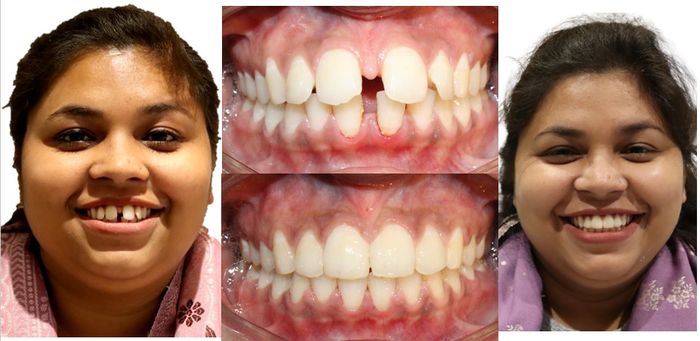
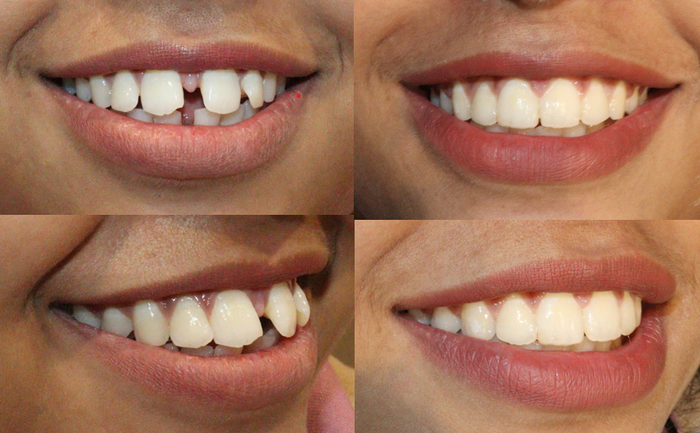
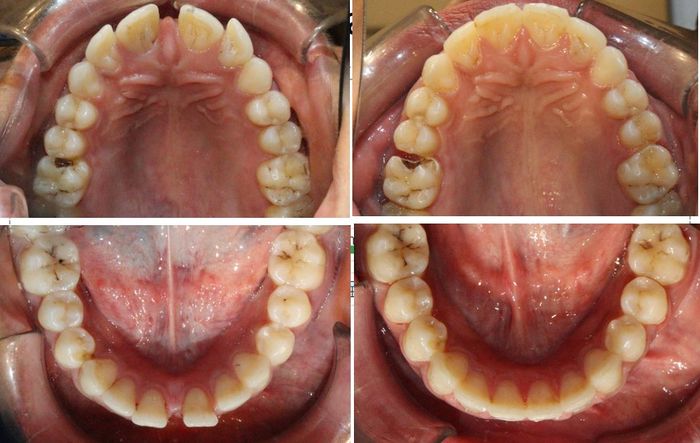
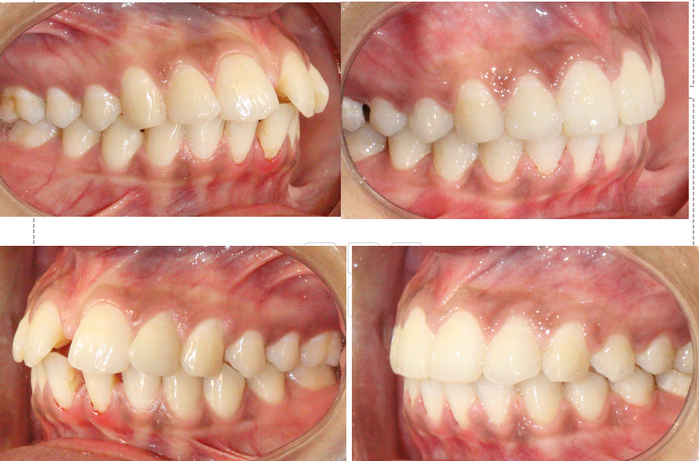
Here is the smile transformation journey of a patient at Smile stories completed within 10 months using Metal Braces by our gold medalist Orthodontist Dr. Pallavi Garg,